Public source stream

Aggregates

The newsroom’s collected links, newest first. Read-only and unreviewed; stories saved by the desk appear in EchoNews.
10 shown // 378 collected items // Newest first Back to newest
Chatham House Expert Comments //

After Trump’s Russian diesel deal, will Europe give Ukraine the support it needs?

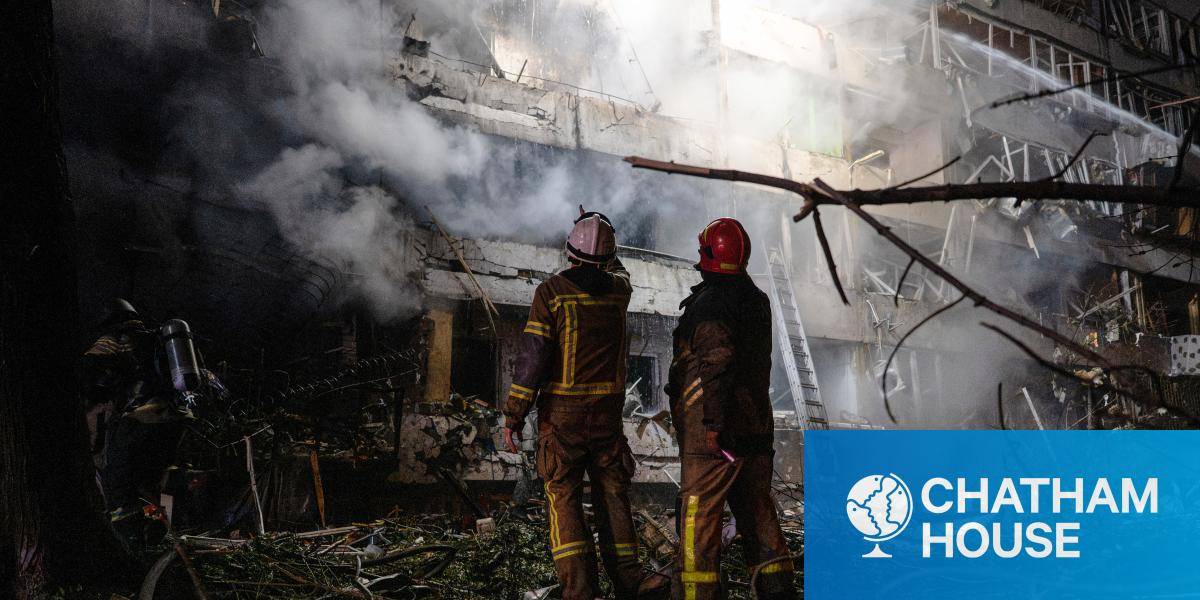
After Trump’s Russian diesel deal, will Europe give Ukraine the support it needs? Expert comment jon.wallace 14 October 2026 The new row between Washington and Kyiv must not distract Europe’s leaders from the urgent matter at hand: how to sustain Ukraine’s economy through the winter. An intervention by President Donald Trump this week has once again created problems for Ukraine’s war effort. The president’s deal with Moscow, which could see millions of barrels of Russian diesel released to global markets, was condemned by Democrats and even some prominent Republicans in the US. Trump openly framed the deal as an effort to secure ‘Lower prices for Americans’ as midterm elections approach in November. It is uncertain that the deal will do much to swing votes back to the president’s party. But it has created another open dispute between Trump and President Volodymyr Zelenskyy – at precisely the moment when Ukraine needs renewed, focussed support from its allies. A mounting Russian assault Recent weeks have seen a noticeable shift in Russia’s war strategy. Some had expected Putin to order a new wave of mobilization and a renewed offensive in the Donbas. Instead, he has moved to intensify Russia’s ballistic missile and drone campaign, with the aim of breaking Ukraine’s economy. There has been a marked uptick in attacks on ports, grain storage and shipping, seemingly to block Ukrainian agricultural exports. Key bridges across the River Dnipro in Kyiv have been hit. So have railways across the country. And attacks have continued on Ukraine’s energy grid (despite the ‘ energy ceasefire ’ Trump claimed was part of his deal with Moscow), extending beyond generation to transmission infrastructure. Meanwhile, strikes on Ukraine’s steel plants have put five blast furnaces permanently out of action. Retail, warehousing and logistic hubs have also been targeted. Russia’s intention is to tip Ukraine’s economy back into recession, cause hardship, and erode the morale of Ukrainians.
Geopolitical Analysis
Chatham House Expert Comments //

The Yemen war is not just Saudi Arabia’s problem. It’s the Gulf’s too

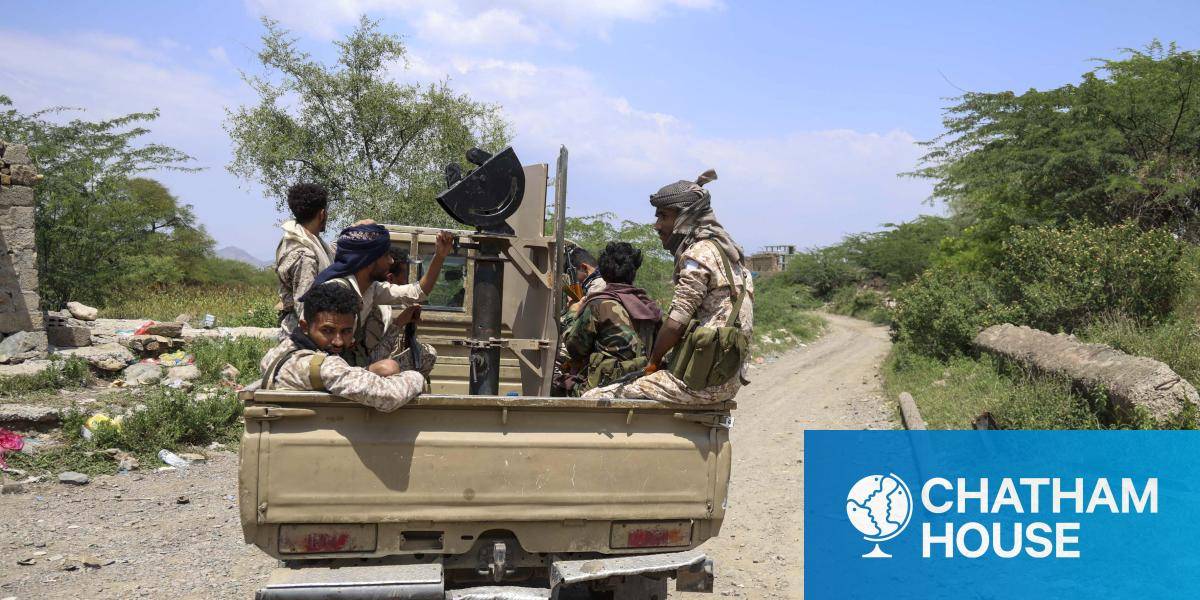
The Yemen war is not just Saudi Arabia’s problem. It’s the Gulf’s too Expert comment thilton.drupal 14 October 2026 The renewed conflict in Yemen exposes the limits of Saudi Arabia’s military options and the vulnerabilities of the Gulf states. A unified Gulf Cooperation Council strategy on Yemen and a credible political settlement between Yemenis are needed. The Yemen conflict has escalated significantly in recent weeks. Houthi strikes on airports in Riyadh, Abha and Dammam have killed at least 20 people and injured hundreds. Saudi oil infrastructure has also been attacked. Within Yemen, renewed fighting following a Houthi offensive around the strategic Bab al-Mandab Strait has brought return to full-scale war. The escalation is an alarming reminder of the 2015 Saudi-led intervention in Yemen. This came after the Iran-backed Houthis seized the Yemeni capital Sanaa in September 2014 and ousted the internationally recognized government from power. More than a decade later, the Houthis remain entrenched and clearly emboldened, while Yemen’s government is fragmented. Prospects for a political settlement currently seem remote. Since the UN-brokered truce in April 2022, Saudi Arabia has sought to disengage militarily from Yemen and pursue a negotiated settlement with the Houthis. Talks gained momentum in 2023, but the Houthis’ involvement in the Gaza war, including attacks on Red Sea shipping and Israel, disrupted the political process. US president Donald Trump’s intensive bombing campaign against the Houthis led to a separate US-Houthi ceasefire in May 2025. But it did not advance solutions to the conflict in Yemen. Difficult choices for Riyadh Saudi Arabia now faces a difficult choice between flawed options. The first option is military escalation through renewed air strikes and an offensive by Yemeni government-aligned forces. But this risks returning Riyadh to the costly, ill-planned and ill-conducted war it has spent years attempting to extricate itself from. The Ho

Geopolitical Analysis
Chatham House Expert Comments //

Water has emerged as a key issue for Arizona voters ahead of US midterms – governments should take note

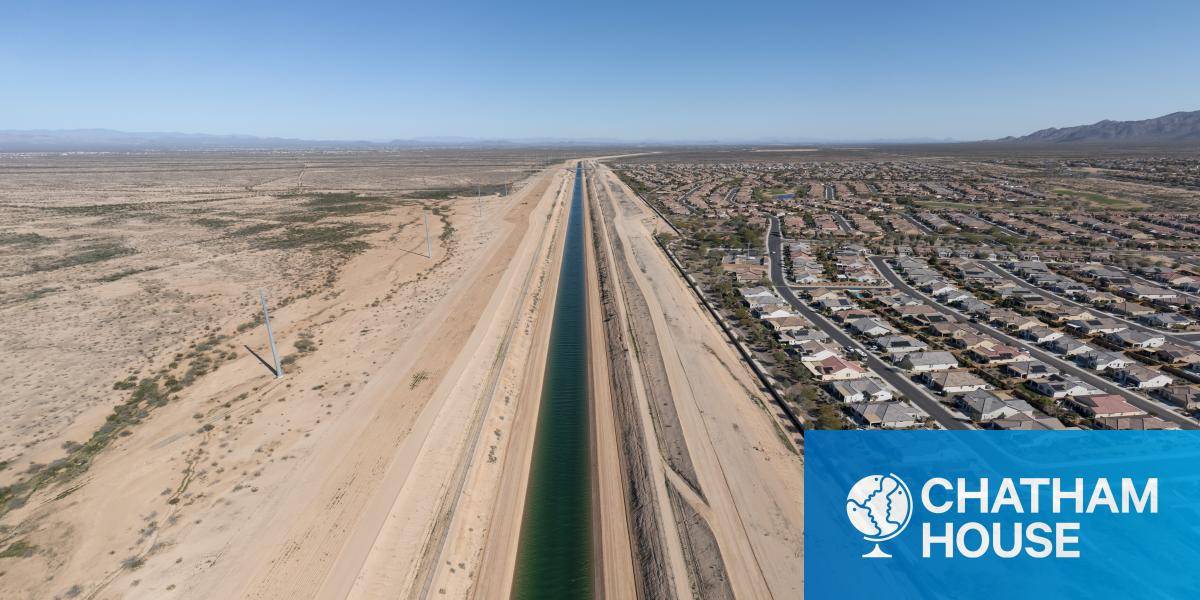
Water has emerged as a key issue for Arizona voters ahead of US midterms – governments should take note Expert comment LToremark 12 October 2026 The case of Arizona shows that governments must stop treating water as merely an environmental issue. US President Donald Trump may dismiss the threat posed by climate change, but its consequences are becoming harder for US voters to ignore. Take Arizona, for example, where water has emerged as an unusually prominent issue ahead of the 2026 midterm elections. Recent polling found that long-term water supplies was the top concern for Arizona voters, after federal cuts to the state’s water supply from the drought-stricken Colorado River. Water has consequently become a prominent issue in Democratic Governor Katie Hobbs’ re-election campaign, with opponents accusing her of mismanaging Arizona’s water supply in an effort to undermine her bid for a second term. Water is no longer just an environmental issue Arizona is an extreme example, but the underlying dynamic is much broader. Water is fundamental not only to drinking and sanitation, but to almost every aspect of an economy. In Arizona, it underpins agriculture and urban development, while also supporting industries and amenities that can seem particularly incongruous in a desert environment, such as golf courses . Now a new source of demand is emerging: data centres, driven by the rapid growth of cloud computing and artificial intelligence. The Phoenix metropolitan area ranks second in North America for proposed data-centre development, raising questions about the impact of these energy- and water-intensive facilities on already stretched water supply – an emerging big issue in the midterms. Related work AI water usage requires governments to rethink their approach to water Arizona’s water predicament is being intensified by a changing climate. Already one of the hottest and driest states in the US, Arizona is experiencing rising temperatures that increase evaporation and w

Geopolitical Analysis
Chatham House Expert Comments //

Brazil’s Amazon rainforest is at risk if Bolsonaro wins – but its low-carbon economy is here to stay

Brazil’s Amazon rainforest is at risk if Bolsonaro wins – but its low-carbon economy is here to stay Expert comment LToremark 7 October 2026 If Flávio Bolsonaro wins Brazil’s presidential run-off, he will likely roll back Lula’s deforestation regulations. But the country’s low-carbon transition will be harder to reverse. The outcome of the first round of Brazil’s presidential election has put President Luiz Inácio Lula da Silva and his main challenger Flávio Bolsonaro – son of former president Jair Bolsonaro – into a run-off at the end of October. The result itself is not surprising. But Bolsonaro’s stronger-than-expected advantage over Lula and the consolidation of a right-leaning Congress – particularly the Senate – is. If Bolsonaro becomes president, Brazil will join the right-wing wave sweeping across Latin America. Related work Brazil’s presidential election is more than just another polarized contest This shift to the right will impact Brazil’s climate transition plans. A Bolsonaro presidency backed by a sympathetic Congress will have considerable power to weaken existing environmental protections. But that does not mean that Brazil’s entire climate transition would go into reverse. Brazil’s climate agenda is often presented as a contest between environmental protection and economic development. The reality is more complicated. The important question is which parts of Brazil’s climate policy a president can change, which require congressional support, and where trade, investment and private-sector interests constrain political choices. Brazil’s president has considerable executive power over environmental outcomes. The president appoints the leadership of environmental protection agencies such as the Brazilian Institute of Environment and Renewable Natural Resources (IBAMA), determines enforcement priorities and allocates budgets that can either strengthen or weaken environmental protection within months. But economic forces also set boundaries. Brazil is deep

Geopolitical Analysis
Chatham House Expert Comments //

Russia’s Kaliningrad threats show the value of Baltic preparedness

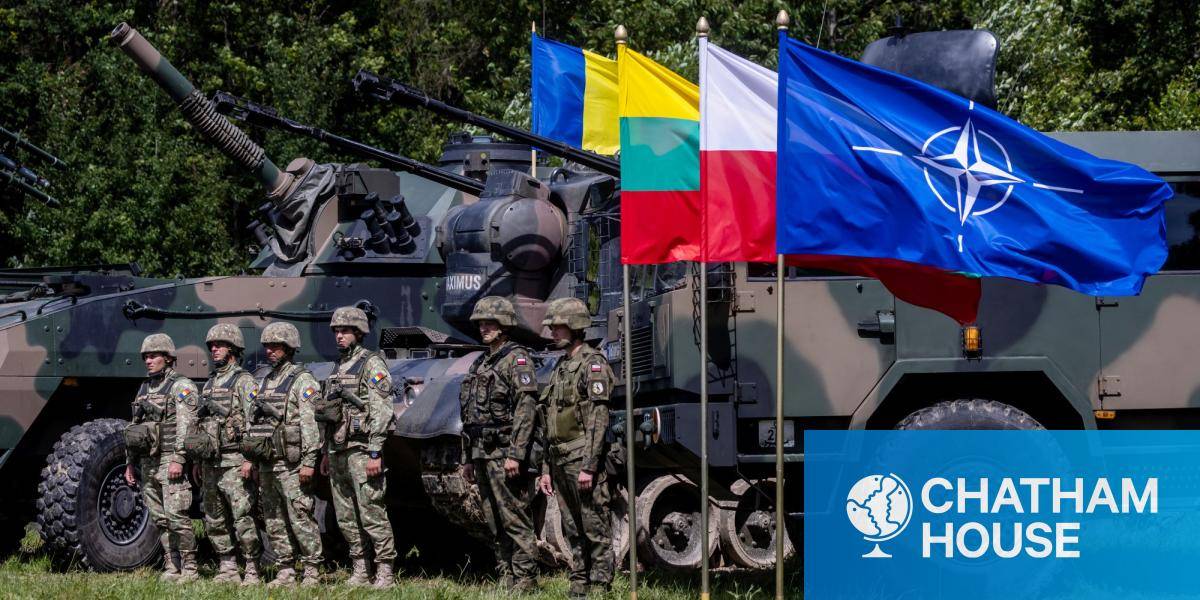
Russia’s Kaliningrad threats show the value of Baltic preparedness Expert comment jon.wallace 7 October 2026 Moscow’s nuclear rhetoric should be taken seriously. But Baltic states know grey zone attacks and territorial incursions are equally serious threats. Vladimir Putin always chooses his words carefully. If Russia faced a direct attack on Kaliningrad (its enclave on the Baltic Sea), he warned on 1 October, the use of ‘all weapons in (our) country’s arsenal’ would inevitably be on the table. The statement followed an earlier Russian note to NATO, threatening nuclear escalation if the alliance were to isolate Kaliningrad. NATO, thus far, has responded with restraint. Secretary General Mark Rutte said there was no imminent Russian threat and rebuffed Moscow’s nuclear rhetoric . But this skirmishing has pushed Kaliningrad – and NATO’s Baltic borders with Russia – back into the spotlight. Kaliningrad is not just any territory for the Russians. At the Yalta and Potsdam conferences of 1945, Soviet leader Stalin asserted his claim to what was then known as Königsberg. It was, he said, necessary for Russia to have at least ‘ one ice-free port ’ at the expense of Germany. The US and UK consented, and Moscow gained a permanent military position on the Baltic Sea. After the collapse of the Soviet Union and the withdrawal of the Baltic states to become independent democracies, Kaliningrad’s geographical isolation from Russia became more apparent, creating one of the most peculiar pieces of land on the continent. Today the enclave hosts Russia’s Baltic Fleet, missile systems and combat aircraft. Since Russia’s full-scale invasion of Ukraine in 2022, the surrounding geopolitics has changed. Finland and Sweden are now part of NATO. Poland is rearming at unprecedented speed. And the military presence across the alliance’s north-eastern flank is much denser. Meanwhile, Lithuania may soon vote to lift a ban on hosting nuclear weapons on its territory – a move the Kremlin described

Geopolitical Analysis
Chatham House Expert Comments //

After the RAF Fairford incident, the UK should develop its homeland defence forces

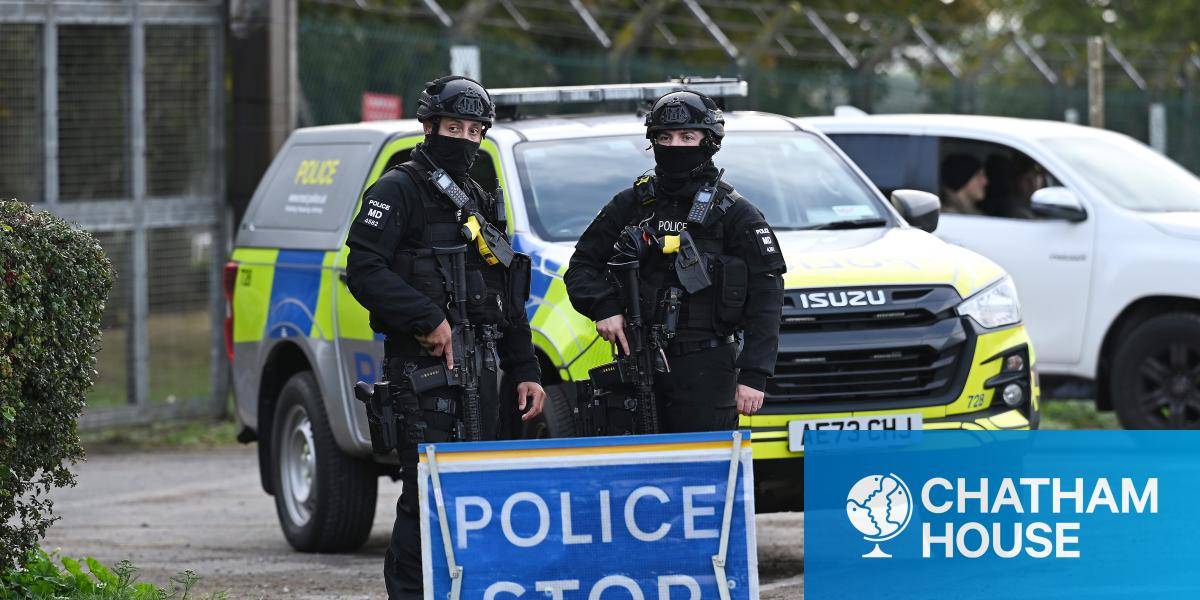
After the RAF Fairford incident, the UK should develop its homeland defence forces Expert comment thilton.drupal 7 October 2026 The threat of hybrid attacks from Iran and Russia means the UK should develop a force dedicated to protecting its bases and infrastructure at home. Finland and Poland offer lessons. The US’s withdrawal of its bombers from RAF Fairford, following a suspected terror plot against the base, has brought attention to how the UK defends its homeland military bases and other critical infrastructure. The UK government has insisted RAF Fairford is safe following the arrest of five men near the base on 27 September. President Donald Trump said the US withdrew its bombers from the base because of an unspecified ‘threat’ to the base. The investigation into the incident is still ongoing. Prime Minister Andy Burnham said that there are ‘strong indications that Iran played a part,’ which Iran’s embassy in London has rejected. In March, the UK approved a US request to use RAF Fairford for what it described as defensive strikes on Iran. Tehran responded that any base used for ‘aggression against Iranian territory’ would be a ‘legitimate target’ for its forces. Bases such as Fairford have their own protection forces that guard the perimeter. But incidents like this highlight the need for the UK to improve its wider homeland defence forces in the face of sustained pressure from hostile actors such as Iran and Russia. While the UK has specialist counter-terrorism units that can respond to incidents, and its armed forces and reserves can be deployed domestically to aid civil authorities in a crisis, it lacks a specialist domestic-only force that could protect a wider range of sites for a longer period. Response versus protection The Fairford incident is just one example of the various hybrid threats facing the UK. Alongside Iran, Russia in particular poses a major threat. The Cabinet Office recently announced it would brief the chief executives of UK critical na

Geopolitical Analysis
Chatham House Expert Comments //

Sánchez’s gamble: This ‘all-in’ election will have international impact

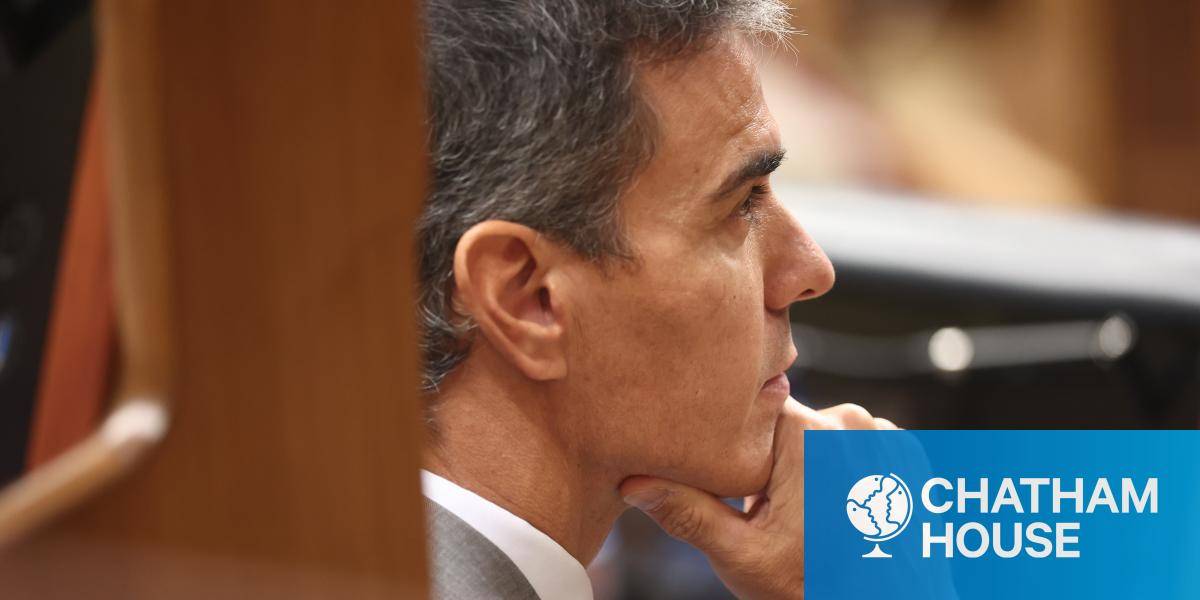
Sánchez’s gamble: This ‘all-in’ election will have international impact Expert comment jon.wallace 5 October 2026 Announcing the election, Sánchez set himself in opposition to President Trump and Javier Milei as well as Spain’s populist right. Much will depend on the prime minister’s ability to rally a fragmented left. The decision by Prime Minister Pedro Sánchez to call a snap election is a risky move, but he will have felt he had little choice. His decision fires the starting gun on a year of vital and polarized elections across Europe. The announcement is not entirely unexpected. Spain was required to hold an election by August 2027 anyway. And Sánchez’s multiparty coalition has looked fragile since it formed in July 2023: it has not passed a full budget since. In January, the government approved a decree that regularized the status of 500,000 undocumented migrants and asylum seekers – a move unusual among EU countries generally committed to tightening migration restrictions . In July, the Spanish enclave of Ceuta was overwhelmed by a surge of tens of thousands of migrants, leading to criticism of government policy from within Spain and abroad, including US President Donald Trump. This month, a new issue has arisen, as protests grow over housing affordability. The protests prompted the government to introduce emergency legislation, only to see the bill rejected by Spain’s Parliament late last week. This gave Sánchez his opening to call a general election, arguing that ‘to do more, we need to renew and broaden the support of the people’. What are Sánchez’s chances? Sánchez is a proven survivor and faced similar difficulties in 2023. But calling an election now is a gamble. The summer’s crises have given his political opponents plenty to work with, and trouble assails the prime minister and his party, the Spanish Socialist Workers’ Party (PSOE), from every side. The opposition on the right will use the January decree and images of the Ceuta crisis to rally their vo

Geopolitical Analysis
Chatham House Expert Comments //

Nepal’s floods put the global loss and damage system to the test

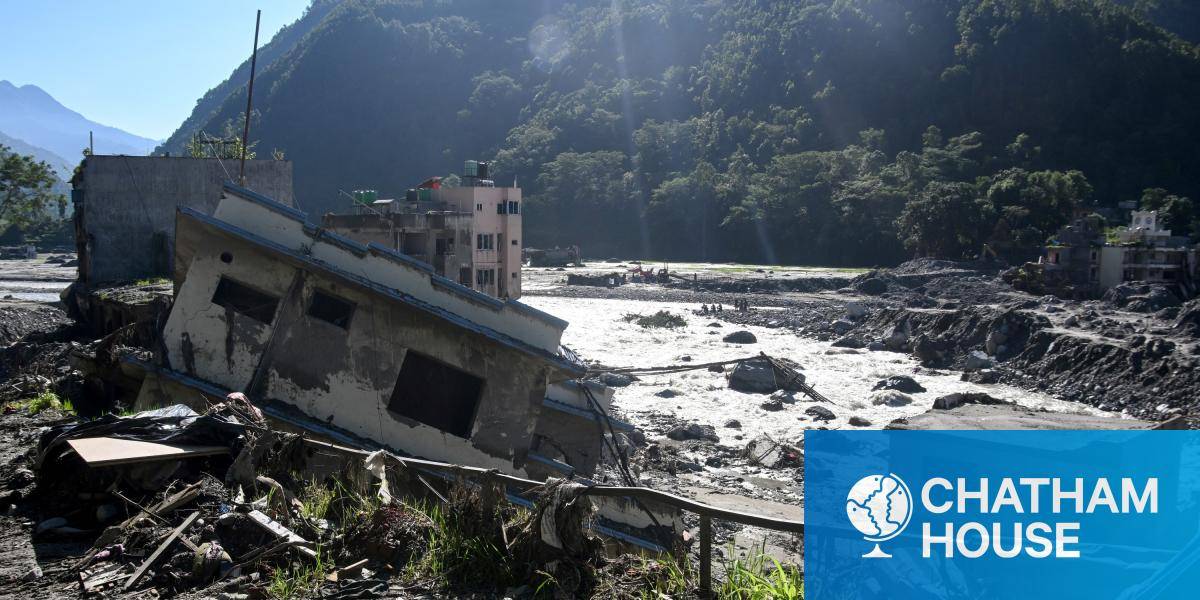
Nepal’s floods put the global loss and damage system to the test Expert comment jon.wallace 5 October 2026 Nepal’s recovery from August’s catastrophic glacial flood will test the efficiency of the UN’s Fund for Responding to Loss and Damage. It will also resurface questions about the responsibilities of the greatest carbon emitters. On 26 August 2026, a glacial disaster high in the Himalayas sent a wall of meltwater and debris tearing through Nepal’s Bhotekoshi and Rasuwa region at speeds of nearly 188 km per hour. The flood has claimed over 1400 lives, with thousands still missing. Nepal is experiencing the consequences of a warming cryosphere, with accelerated glacier melt that could undermine the long-term security of a water source on which millions of people depend. The country only contributes around 0.1 per cent of global greenhouse gas emissions. Yet its people are on the front lines of climate change impacts, as glacial retreat reshapes the Himalayan landscape. Early estimates of the cost of reconstruction are $4 to 5 billion, around a tenth of Nepal’s GDP. Nepal’s government has appealed to the UN’s Fund for Responding to Loss and Damage (FRLD) for help. But that can only provide a fraction of the funds required. As a result, Nepal has raised the responsibility of the world’s largest carbon emitters and will bring the issue to the forefront of November’s COP31 climate summit in Turkey. In this respect, Nepal’s recovery will stress-test bigger questions: How far is it possible to establish whether climate change was a contributing factor to a disaster? Can international climate finance mechanisms deliver urgent help to countries facing imminent, irreparable losses? And what more should the world’s greatest emitters be doing to help countries like Nepal? The Fund faces a credibility test Since the FRLD was established at COP27 in 2022, demand for financial support has far exceeded available funding. As of March 2026, 27 countries pledged $822.06 million , of

Geopolitical Analysis
Chatham House Expert Comments //

War has returned to Tigray. This time it may not stay in Ethiopia

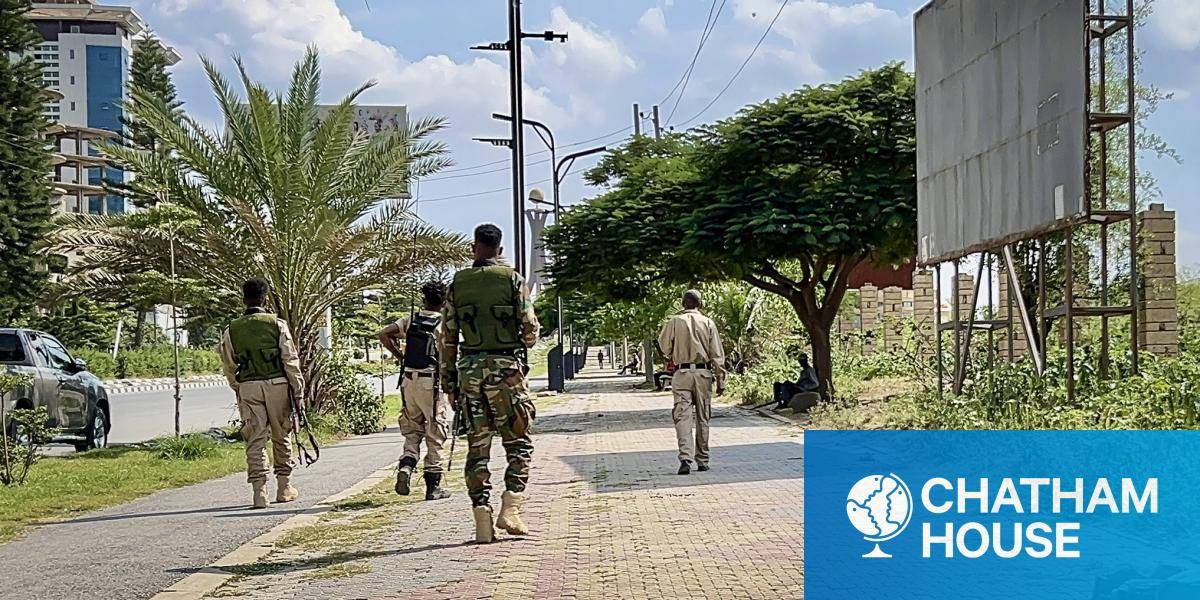
War has returned to Tigray. This time it may not stay in Ethiopia Expert comment LToremark 1 October 2026 As fighting escalates in Tigray and neighbouring areas, there are fears that Ethiopia’s internal instability could spill over into the wider Horn of Africa region. Conflict returned to Ethiopia’s northern region of Tigray on 23 September, as the Tigray People’s Liberation Front (TPLF) forces stormed three national airports in Tigray. In what the TPLF claimed was defensive combat , ground offensives were also expanded along Tigray’s southern and eastern borders with the neighbouring Amhara and Afar regions. The TPLF and its allies captured parts of Afar but lost several key areas in southern Tigray, including Alamata town. Ethiopia’s federal government forces and the allied Tigray Peace Force (TPF) are now advancing towards Mekelle, the capital of Tigray. Meanwhile, reports of drone strikes in Addis Ababa and on government-controlled airbases alters the nature of the war. Although Tigray has seen conflict before, this time there is a risk that hostilities could extend into Eritrea and Sudan. The slow creep towards renewed conflict Related work Ethiopia needs more than an election to calm internal and regional conflict The risk of renewed hostilities in Tigray had been clear for some time, given the steady decline in relations between the federal government and the TPLF. The failure to build on the Pretoria Agreement – the ceasefire deal that brought an end to the war in 2022 – was largely the result of a continued zero-sum approach by both sides, as well as weak implementation and oversight. The agreement effectively unravelled in May, when the TPLF reinstated a pre-war legislative council, with its chairman Debretsion Gebremichael named regional president. This spelled the end of the Tigray Interim Regional Administration (TIRA) – a key outcome negotiated under Pretoria. The removal of interim president, General Tadesse Werede, formerly head of the Tigray Defens

Geopolitical Analysis